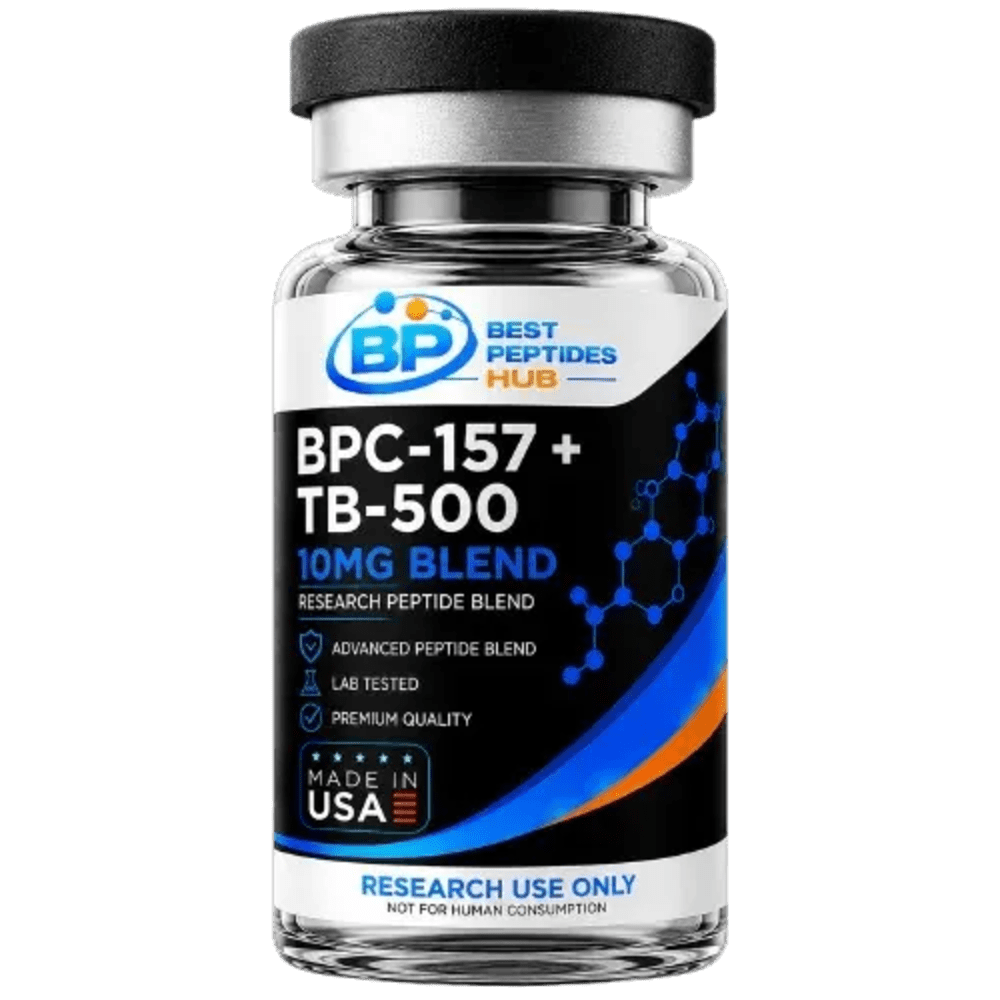
What is the TB-500 Peptide?
In the rapidly evolving world of peptide research, few compounds have garnered as much attention for tissue repair and recovery as TB-500. TB-500 is a synthetic fraction of the naturally occurring protein Thymosin Beta-4 (TB4), which is found in almost all human and animal cells. While TB4 plays a crucial role in building new blood vessels, repairing tissue, and regulating inflammation, TB-500 isolates the most active healing sequence of this protein.
Because of its remarkable regenerative properties, researchers and enthusiasts frequently study TB-500 to understand its impact on muscle tears, tendon damage, and overall cellular healing.
How TB-500 Works: Mechanisms of Action
The primary mechanism by which TB-500 operates is through the upregulation of a cellular building protein called actin. Actin forms the structural framework of cells and is essential for cell movement, division, and muscle contraction.
1. Upregulation of Actin
By binding to actin, TB-500 helps to promote cell migration and proliferation. When tissue is damaged, cells need to migrate to the site of the injury to begin the repair process. TB-500 accelerates this migration, allowing the body to heal wounds and damaged tissue at a much faster rate than normal.
2. Angiogenesis (New Blood Vessel Formation)
Another critical function of TB-500 is its ability to promote angiogenesis. By stimulating the formation of new blood vessels, TB-500 ensures that oxygen and essential nutrients are efficiently delivered to damaged areas. This increased blood flow is vital for healing chronic injuries in areas with typically poor circulation, such as tendons and ligaments.
Key Research Benefits of TB-500
Decades of in-vitro and animal studies have highlighted a wide array of potential benefits associated with TB-500 administration. While it remains primarily a research chemical, the documented effects are profound:
- Accelerated Wound Healing: Speeds up the repair of skin, muscle, and connective tissue.
- Reduced Inflammation: Acts as a potent anti-inflammatory agent, reducing swelling and pain at injury sites.
- Improved Flexibility: Reduces scar tissue formation, which helps maintain joint and muscle flexibility post-injury.
- Cardiovascular Protection: Some studies suggest it promotes heart health by repairing damaged ventricular tissue after ischemic events.
- Hair Growth: Research indicates that Thymosin Beta-4 can stimulate stem cells in hair follicles, potentially aiding in hair regeneration.
Comparing TB-500 and BPC-157
It is common in peptide science to see TB-500 discussed alongside another popular healing peptide: BPC-157. While both are renowned for their regenerative properties, they work through different pathways.
BPC-157 is primarily known for gastrointestinal healing and tendon repair through the promotion of the EGR-1 gene. TB-500, on the other hand, works globally throughout the body via actin upregulation and is highly systemic. Because their mechanisms are complementary, researchers often study the synergistic effects of using both peptides together for comprehensive injury recovery.
Conclusion
TB-500 continues to be a cornerstone in regenerative peptide research. Its unique ability to regulate actin, promote new blood vessel growth, and limit scar tissue makes it an invaluable tool for studying tissue repair and accelerated recovery. As science continues to uncover the full potential of Thymosin Beta-4 derivatives, TB-500 remains at the forefront of modern therapeutic exploration.