
Your Trusted Source for Research Peptide
Verified documentation and in-depth educational resources for the scientific community.
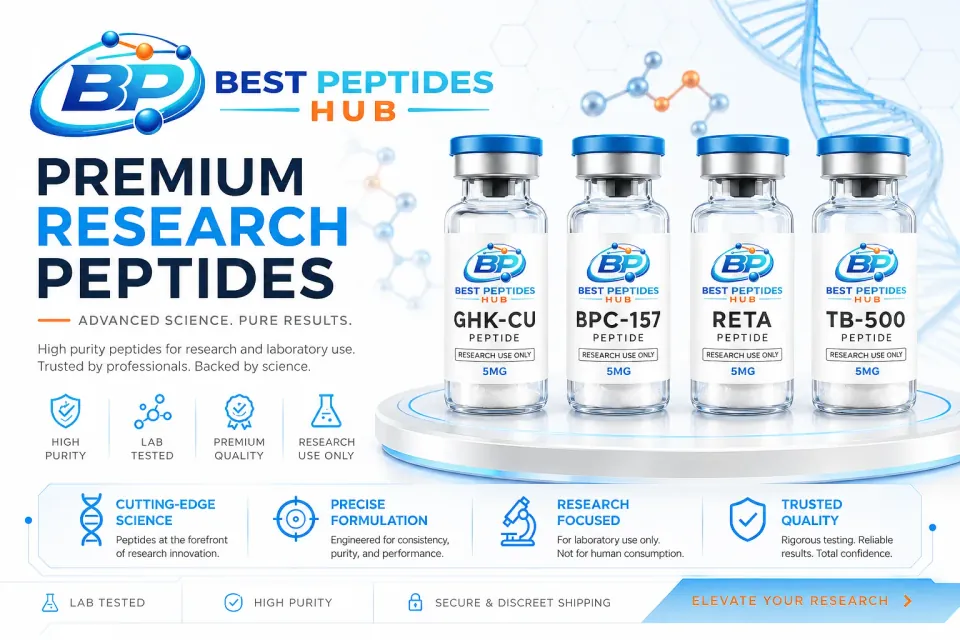
Featured Research Peptides
Browse the current catalog and review product details before placing an order.
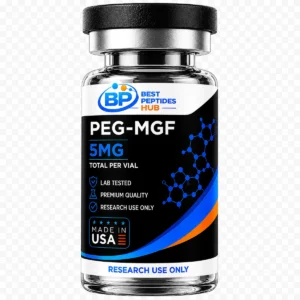
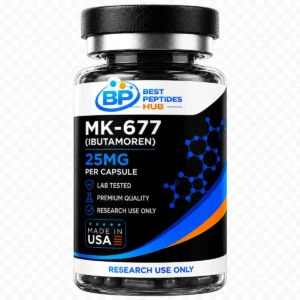
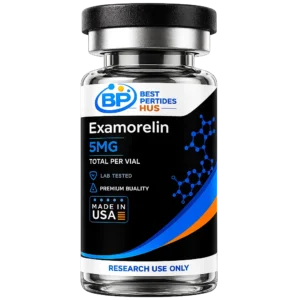
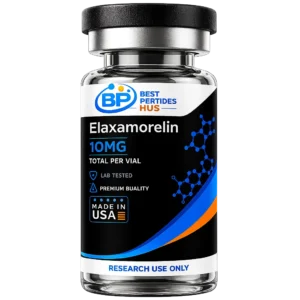
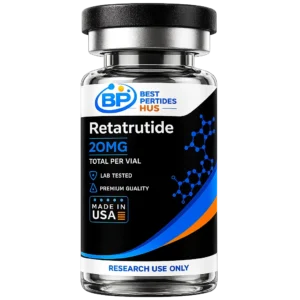
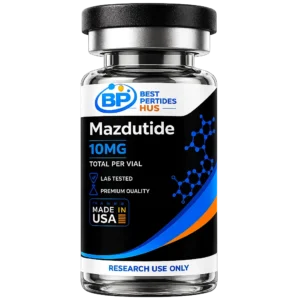
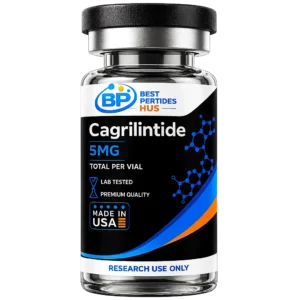
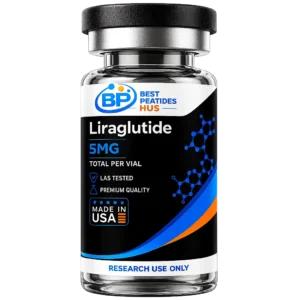
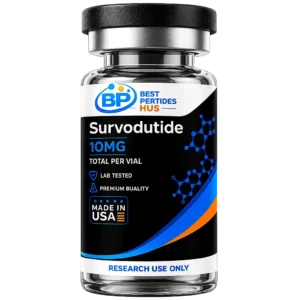
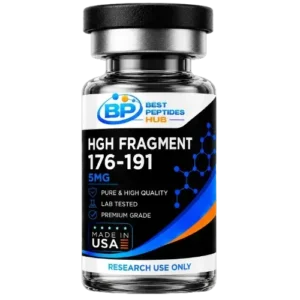
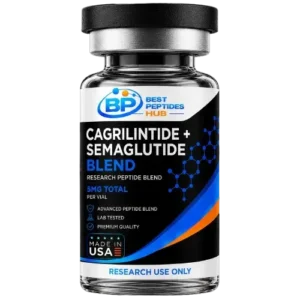
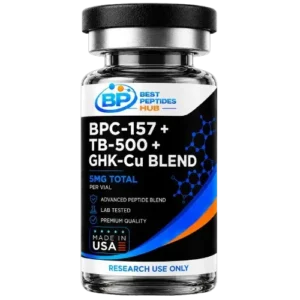
Latest research insights
New guides, documentation notes, and laboratory resources from the Best Peptides Hub team.

Retatrutide Peptide Calculator: A Complete Guide to Reconstitution & Dosage
Learn how to accurately mix and measure your research peptides using a Retatrutide peptide calculator. Discover the math behind reconstitution, BAC water ratios, and…
Read article
Retatrutide 20mg Guide: Benefits, Mechanism & Research
Explore Retatrutide 20mg research, its unique triple agonist mechanism (GIP, GLP-1, Glucagon), key study findings, and handling protocols in laboratory research.
Read article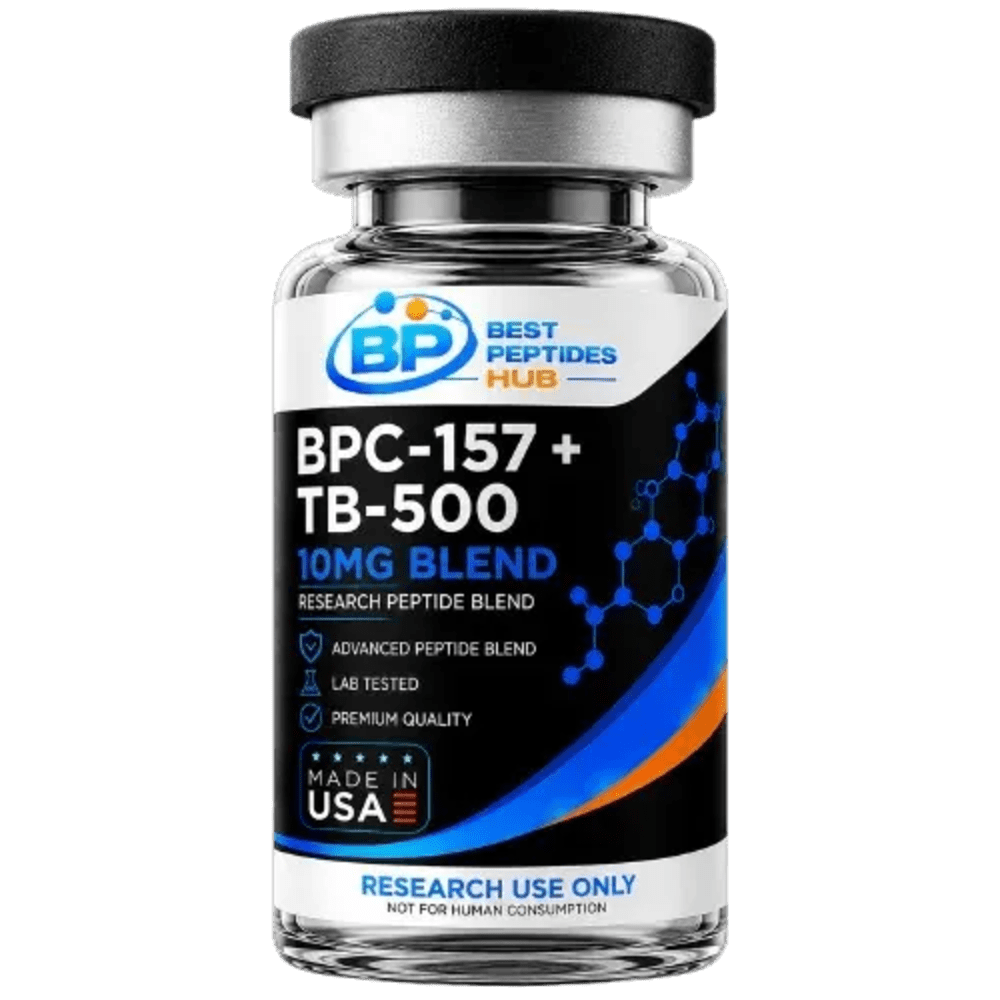
BPC 157 and TB 500 Blend Guide: Synergy for Recovery
Discover the incredible synergy of combining BPC 157 and TB 500. Learn about their individual mechanisms, combined benefits, and how to approach dual-peptide research.
Read articleFind the research area you need
Explore available product categories in the catalog.
Resources for informed research
Explore product documentation, educational references, and company information.
Research Library
Read educational material and product documentation for research contexts.
Explore resource →Quality Center
Review the available quality documentation and standards information.
Explore resource →Scientific Publications
Browse scientific publications and research references.
Explore resource →How to explore Best Peptides Hub
Use the site’s product and education sections to find information relevant to your research.
Browse products
Review the catalog and product pages for current descriptions and available details.
Review resources
Visit the Research Library and Quality Center for the documentation currently provided.
Get support
Contact the support team if you need help navigating the site or its resources.
Frequently asked questions
Explore practical questions about peptide documentation, laboratory handling, and research planning.
How should I evaluate a peptide product before using it in a research workflow?
Start with the product identity, stated purity, batch documentation, storage guidance, and intended research objective. Record the lot information and confirm that the available documentation is appropriate for your laboratory’s review process.
What information should a certificate of analysis (COA) contain?
A useful COA should identify the compound and batch, report the testing method, provide the measured result, and show the laboratory or quality source responsible for the analysis. Check that the document corresponds to the product lot being reviewed.
What is the difference between a lyophilized peptide and a reconstituted preparation?
A lyophilized peptide is supplied as a dried material, while a reconstituted preparation has been dissolved in a selected laboratory-compatible solvent. Reconstitution changes the handling conditions, concentration, and storage requirements, so those details should be documented separately.
How do researchers calculate concentration after reconstitution?
Use the measured amount of material and the exact solvent volume added to calculate the nominal concentration. Keep units consistent, document the calculation, and account for any stated assay or purity information when interpreting the result.
Which storage factors matter most for peptide research materials?
Temperature, moisture, light exposure, container integrity, and the number of freeze-thaw cycles can all affect material stability. Follow the product documentation, use clearly labeled aliquots when appropriate, and record storage conditions throughout the study.
How can researchers improve reproducibility in peptide experiments?
Use consistent sample preparation, calibrated equipment, documented handling times, appropriate controls, and predefined acceptance criteria. Recording the batch, concentration, operator, and environmental conditions makes later comparison more reliable.
How should peptide research results be interpreted responsibly?
Separate observations from conclusions, report the experimental design and limitations, and avoid treating laboratory findings as clinical evidence. Independent confirmation, suitable controls, and peer-reviewed context are important before drawing broader conclusions.
Explore the research peptide catalog
Review the available products, documentation, and educational resources.
Products are offered for research use only. Information on this website is educational and is not medical advice. Review the product pages and applicable policies for details.