The Power of Combination: BPC 157 and TB 500
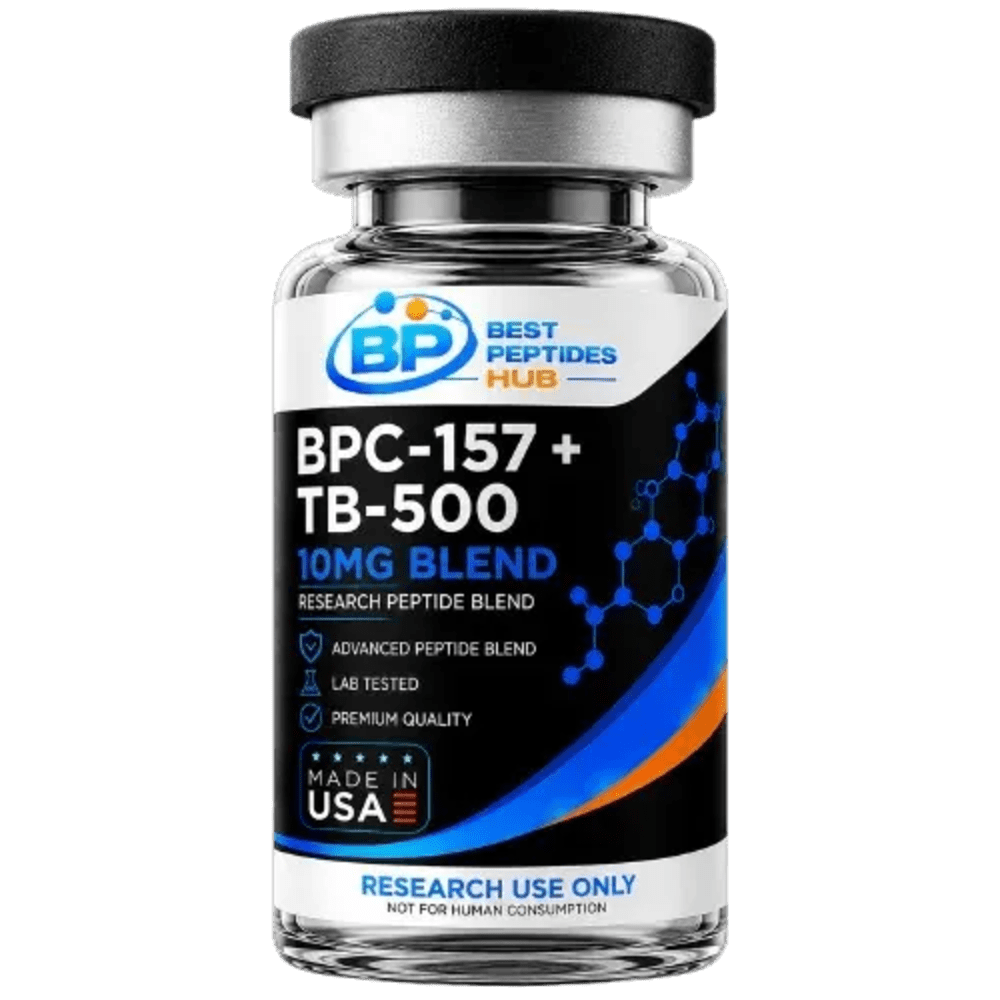
In the expansive field of peptide research, tissue repair and cellular recovery remain top priorities. While individual peptides offer significant benefits, studying bpc 157 and tb 500 together has emerged as a groundbreaking protocol. By leveraging the unique mechanisms of both compounds, researchers are observing accelerated healing rates that surpass the use of either peptide alone. For those looking to study this powerful synergy, sourcing a high-quality BPC-157 / TB-500 10mg Blend is the first step toward comprehensive regenerative research.
BPC 157 vs TB 500: Understanding the Differences
To fully appreciate why these two peptides are blended, it is crucial to analyze bpc 157 vs tb 500 to understand their distinct pathways. Though they share a common goal of tissue repair, they achieve it differently.
BPC-157 (Body Protection Compound)
BPC-157 is primarily famous for its localized healing capabilities, especially concerning the gastrointestinal tract, tendons, and ligaments. It promotes the upregulation of the EGR-1 gene and increases the formation of new blood vessels (angiogenesis) specifically targeting injured, highly stressed tissues.
TB-500 (Thymosin Beta-4)
Conversely, when looking at tb 500 vs bpc 157, TB-500 acts much more systemically throughout the entire body. Its primary mechanism is the upregulation of actin, a vital cellular building protein. This allows for rapid cell migration to the site of an injury, reducing inflammation and preventing scar tissue formation on a global scale.
The Synergy: Why Combine Them?
Because BPC-157 excels at localized tendon and gut repair, and TB-500 excels at systemic muscle and tissue regeneration, combining them covers all bases. This synergistic effect means that researchers do not have to choose between localized healing or systemic healing—they can study both simultaneously. The blend provides a dual-action approach to severe injuries, muscle tears, and chronic inflammation.
Determining Reconstitution Ratios
When working with a blended vial (such as a 10mg blend containing equal parts of both peptides), precision is key. Researchers typically utilize a bpc-157 tb-500 blend dosage calculator to accurately determine how much bacteriostatic water to add. Because the vial contains a concentrated dual compound, miscalculations can skew research data.
By inputting the total vial volume and the desired concentration per microgram (mcg) into a reliable bpc-157 + tb-500 blend dosage calculator, researchers can ensure consistent, accurate, and safe administration during their laboratory studies. Proper calculation guarantees that the synergistic balance between the two peptides remains intact throughout the testing phase.
Key Research Benefits of the Blend
The combined application of these regenerative peptides yields a wide array of documented research benefits:
- Comprehensive Tissue Repair: Simultaneously targets muscles, tendons, ligaments, and the gut lining.
- Amplified Angiogenesis: Both peptides promote new blood vessel formation, significantly increasing blood flow to damaged areas.
- Potent Anti-Inflammatory Action: Reduces systemic and localized swelling rapidly.
- Enhanced Flexibility and Mobility: Limits the formation of adhesions and scar tissue during the healing process.
- Accelerated Recovery: Drastically reduces downtime in animal models following severe physical trauma.
Conclusion
The combination of BPC-157 and TB-500 represents the pinnacle of modern regenerative peptide research. By understanding their individual strengths and how they perfectly complement each other, scientists can explore unprecedented levels of healing and recovery. Whether you are studying acute injuries or chronic degenerative conditions, this potent blend offers a comprehensive, dual-action solution.