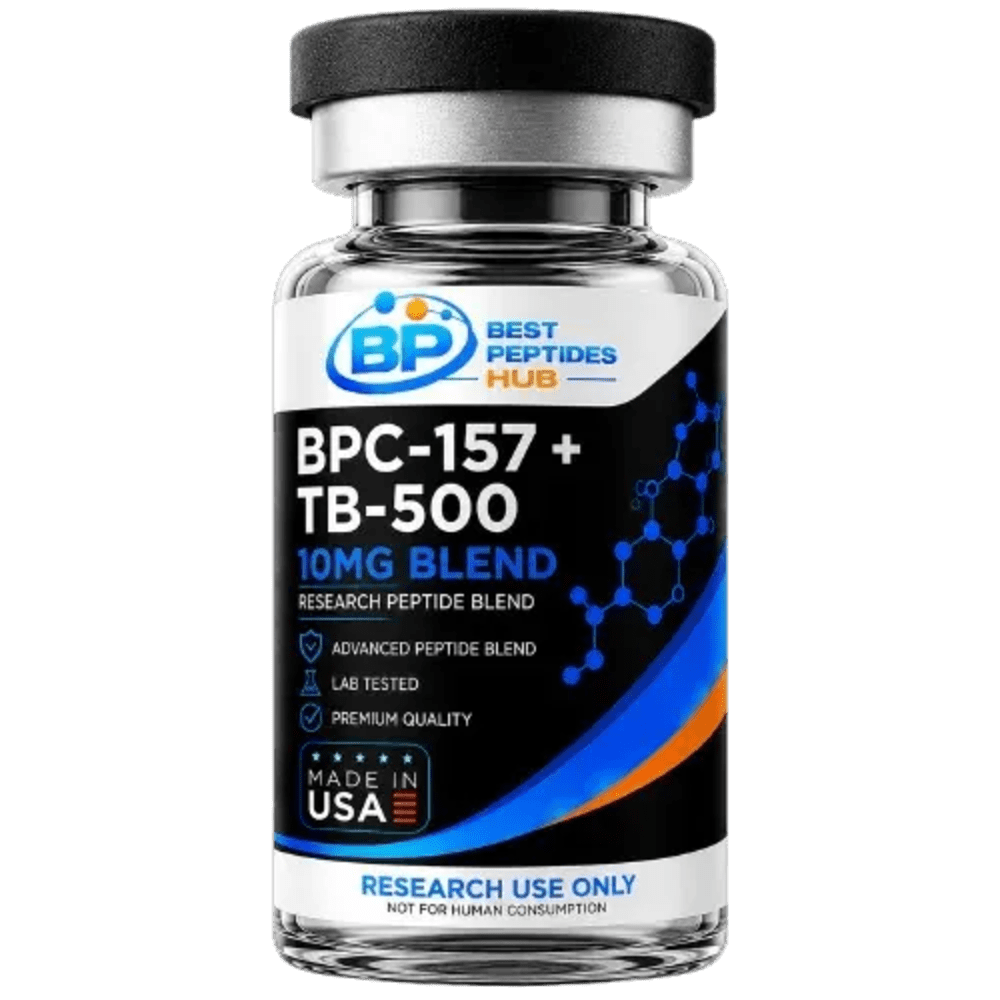

In the field of biochemical research, BPC-157 (Body Protection Compound 157) has emerged as one of the most widely studied synthetic peptides. If you are conducting laboratory assays, you can view our verified BPC-157 Research Peptide (10mg) batch specs and certificates of analysis.
Derived from a naturally occurring protein fragment found in human gastric juice, this pentadecapeptide has attracted significant attention for its novel cellular repair properties in laboratory settings.
What is BPC-157?
BPC-157 consists of 15 amino acids arranged in a specific sequence: Gly-Glu-Pro-Pro-Pro-Gly-Lys-Pro-Ala-Asp-Asp-Ala-Gly-Leu-Val. Unlike many natural peptide chains that degrade quickly in digestive environments, synthetic BPC-157 demonstrates remarkable stability in systemic conditions, making it a focal point for preclinical research models.
Primary Scientific Research & Mechanisms
Researchers investigating cellular regeneration frequently focus on how BPC-157 interacts with natural growth factors and vascular processes. Key observed mechanisms include:
- Angiogenesis Promotion: Studies indicate that BPC-157 upregulates the expression of Vascular Endothelial Growth Factor (VEGF), encouraging new blood vessel formation.
- Nitric Oxide Modulation: The peptide interacts with nitric oxide (NO) pathways, aiding in vascular regulation and endothelial protection.
- Fibroblast Activation: Research models demonstrate enhanced migration and proliferation of fibroblasts, which are crucial for collagen synthesis.
- Tendocytes and Ligament Repair: In vitro assays highlight increased cell survival rates in injured tendon and ligament tissues under controlled exposure.
Key Research Applications in Preclinical Studies
1. Tendon and Ligament Regeneration
Preclinical trials evaluating soft tissue recovery frequently measure collagen organization following BPC-157 administration. Observations show accelerated structural alignment in damaged Achilles tendons compared to control groups.
2. Gastrointestinal Integrity
Given its structural relation to gastric protective proteins, BPC-157 has been extensively researched for mucosal lining repair, inflammatory bowel condition models, and endothelial protection against chemical stressors.
3. Muscle and Bone Healing
Systemic research models report improved healing outcomes in crushed muscle tissue and bone defects, suggesting potential cross-system cellular signaling capabilities.
Handling and Storage Protocols for Research Peptides
To preserve structural integrity during laboratory trials, researchers adhere to standard handling procedures:
- Reconstitution: Reconstitute lyophilized powder using sterile Bacteriostatic Water under sterile laminar flow hoods.
- Storage: Store lyophilized vials in cold conditions (-20°C recommended for long-term storage). Once reconstituted, keep refrigerated between 2°C and 8°C.
Conclusion
BPC-157 remains a foundational subject in peptide research due to its stability, angiogenic pathways, and multi-tissue repair capabilities. Ongoing studies continue to map its exact molecular pathways across cellular, gastrointestinal, and musculoskeletal models.
Disclaimer: All products described are intended strictly for laboratory research and development purposes. Not for human or clinical consumption.