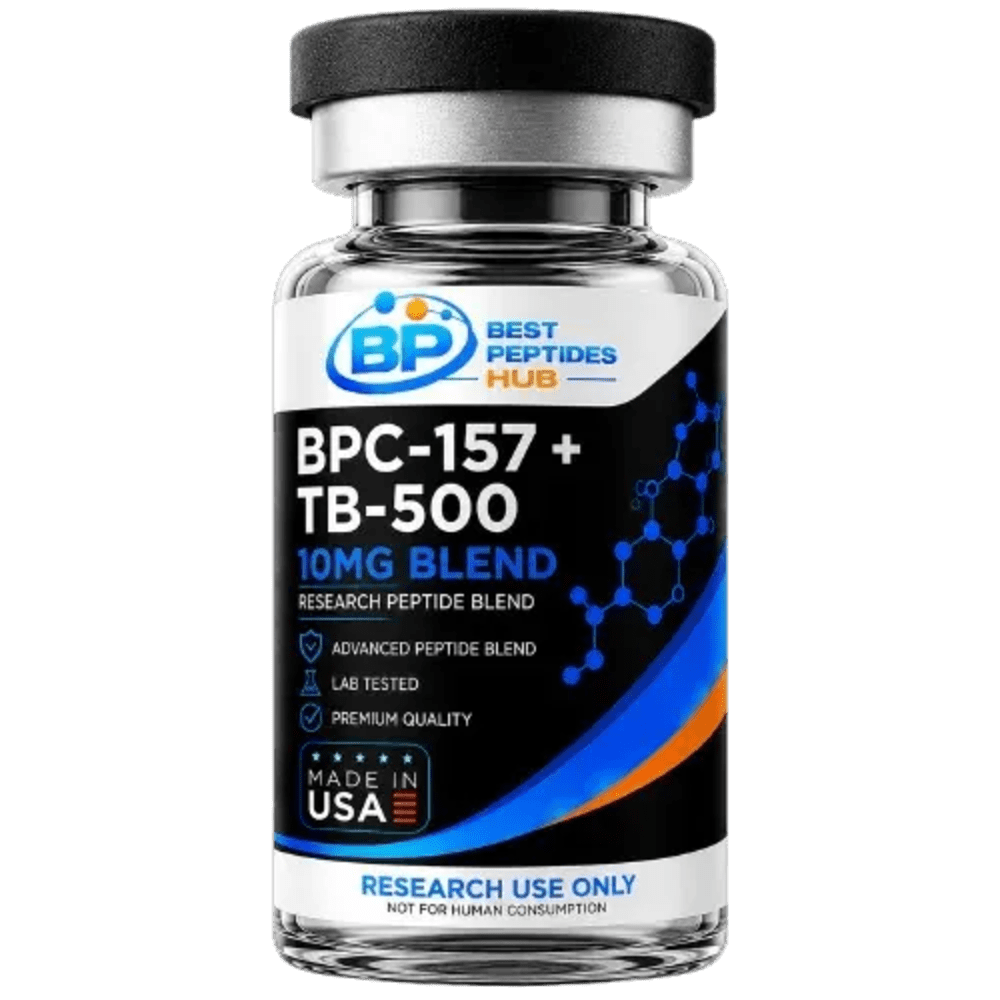

In dermatological and biochemical research, GHK-Cu (Glycyl-L-histidyl-L-lysine copper complex) is one of the most widely studied naturally occurring tripeptides. If you are conducting laboratory assays, you can view our verified GHK-Cu Copper Peptide batch specs and certificates of analysis.
First isolated from human plasma, GHK-Cu has strong affinity for copper(II) ions, playing a critical role in cellular signal transduction, tissue remodeling, and antioxidant defenses in laboratory research models.
What is GHK-Cu?
GHK-Cu is a small tripeptide molecule consisting of three amino acids bound to a copper ion: Glycyl-L-histidyl-L-lysine. Copper is an essential trace element required for antioxidant enzymatic reactions and connective tissue synthesis. The GHK peptide complex functions as a signal carrier, delivering copper directly to target cellular tissues.
Primary Scientific Research & Mechanisms
Researchers investigating tissue regeneration and extracellular matrix (ECM) modulation focus on several key cellular mechanisms driven by GHK-Cu:
- Collagen and Elastin Synthesis: Studies show GHK-Cu stimulates mRNA expression of collagen type I and elastin, accelerating structural skin matrix repair.
- Glycosaminoglycan (GAG) Production: Research indicates upregulation of decorin and hyaluronic acid synthesis, supporting matrix hydration and elasticity.
- Gene Modulation: Genomic profiling studies demonstrate that GHK-Cu regulates over 4,000 human genes, shifting gene expression toward tissue repair and away from inflammatory signaling.
- Antioxidant and Anti-Inflammatory Pathways: The copper complex neutralizes free radicals and reduces pro-inflammatory cytokine expression (such as TNF-alpha and IL-6).
Key Research Applications in Preclinical Studies
1. Skin Regeneration and Wound Healing
In vitro and animal models show that GHK-Cu accelerates dermal wound closure by promoting chemoattraction of inflammatory cells and macrophages to injury sites, followed by rapid collagen deposition.
2. Hair Follicle Proliferation
Preclinical studies evaluating follicular unit growth indicate that copper peptides stimulate hair follicle enlargement and inhibit follicular cell apoptosis, supporting research into hair growth pathways.
3. DNA Repair and Anti-Aging Signaling
Dermal fibroblast culture assays indicate that GHK-Cu helps repair damaged DNA pathways and restores cellular function in aged or UV-exposed cell lines.
Handling and Storage Protocols for Research Peptides
To preserve structural integrity during laboratory trials, researchers follow standardized handling guidelines:
- Reconstitution: Reconstitute lyophilized GHK-Cu powder using sterile Bacteriostatic Water or sterile saline under a laminar flow hood.
- Storage: Keep lyophilized vials stored below -20°C for long-term stability. Once reconstituted, store refrigerated between 2°C and 8°C protected from light.
Conclusion
GHK-Cu remains a central focus in anti-aging, dermatological, and tissue repair research due to its gene-modulating capabilities and strong affinity for copper-dependent enzymatic processes. Ongoing laboratory studies continue to map its role in dermal regeneration and cellular longevity.
Disclaimer: All products described are intended strictly for laboratory research and development purposes. Not for human or clinical consumption.